
Alps Experience: the full day-by-day itinerary
The Alps begin in the Italian city of Genoa and end near Vienna, Austria. They are Europe’s most important mountain range, and their highest point is Mont Blanc, at 4,800 metres. The range stretches for roughly 1,200 kilometres.
More than 50 million tourists — many of them motorcyclists — visit the region every year. In winter it’s all about skiing and snowboarding; in summer, the Alps are popular for paragliding, mountaineering and bike or motorcycle tours.
The ROXMOTORS Alps Experience tour takes in Europe’s major mountain passes, along with regions of stunning scenery such as Lake Garda and the Strada della Forra. It’s definitely an itinerary with something for everyone — riders and pillions alike — from the more adventurous types who love the Alpine curves to those who want comfort, good hotels, good food and pastoral landscapes.
HERE’S THE DETAILED SCHEDULE OF THIS INCREDIBLE TOUR, FROM START TO FINISH!
Day 1
The itinerary begins in Zurich, where guests are met at the airport by the ROXMOTORS team. Once the group has settled into the hotel, there’s a tour briefing, along with the handover of travel kits prepared specially for each guest. A welcome dinner follows at a pre-selected restaurant.
If you can, our tip is to arrive a day early to enjoy Zurich. It’s a lively city, full of shops and history. The climb to the top of the Grossmünster — a beautiful 16th-century cathedral — is steep, with very narrow staircases in the tower, but the view from the top makes it well worth the effort. There’s also Lindenhofplatz, the city’s emblematic square, and Sechseläutenplatz, home to the Zurich Opera House. Just in front lies Lake Zurich, one of the most beautiful spots in the city. And trying the hot chocolate with cream at the traditional Schöber café, open since 1842, is mandatory!
Day 2
The following morning the group hits the road towards Brissago, on the shore of Lake Maggiore, taking in the Furka and Nufenen passes along the way.
Maggiore is one of the major Alpine lakes and is shared between Italy and Switzerland.
The Furka Pass, in Switzerland, is one of the most challenging Alpine passes, with countless curves and an altitude of 2,431 metres above sea level. The road was chosen as the setting for a gripping chase scene in one of the James Bond films: Goldfinger (1964).
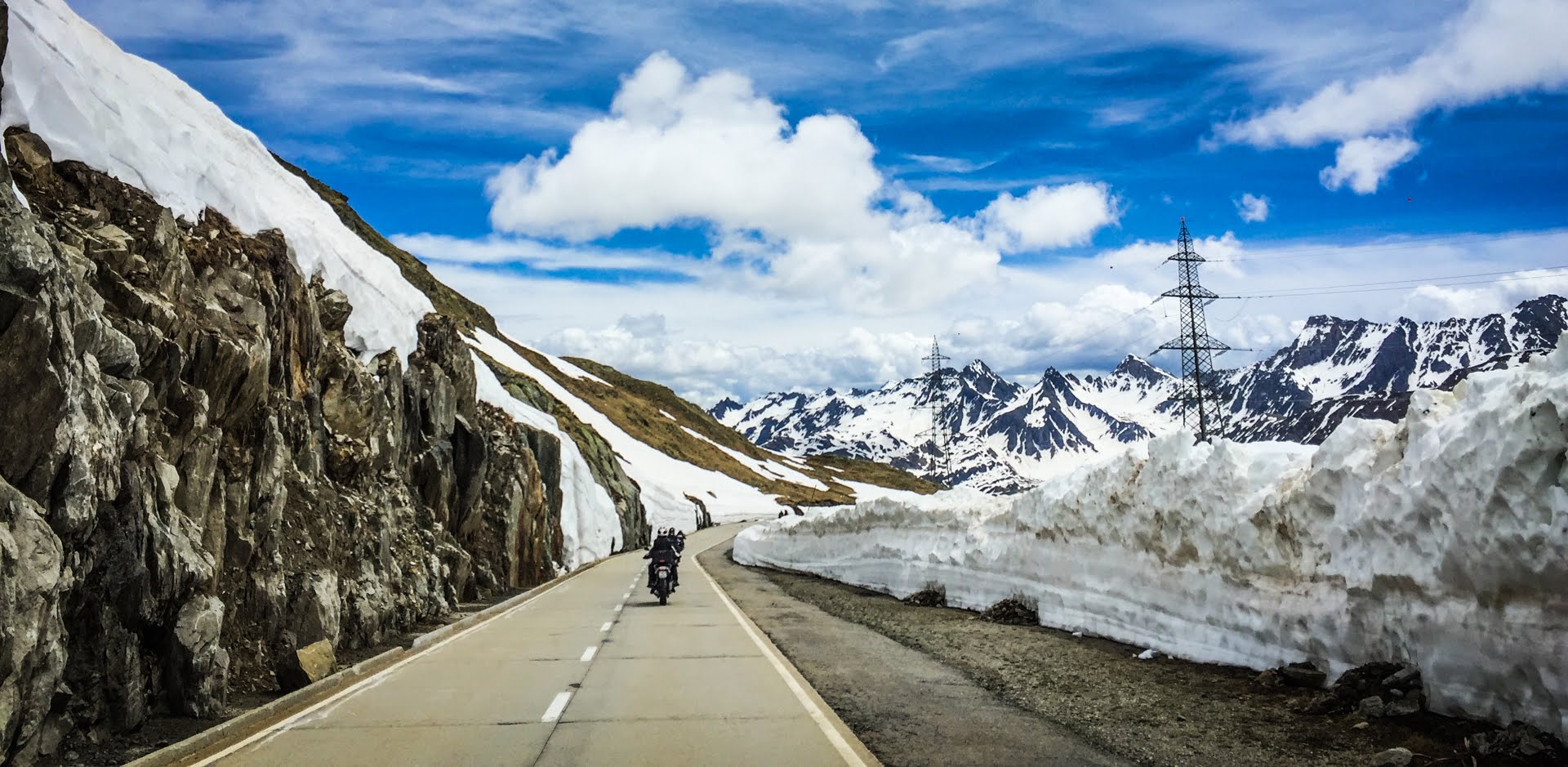
The Nufenen Pass, at 2,478 metres, is Switzerland’s second-highest road. Even in summer, snow at the top is guaranteed. The roads are always in excellent condition, making for relaxed riding.
Day 3
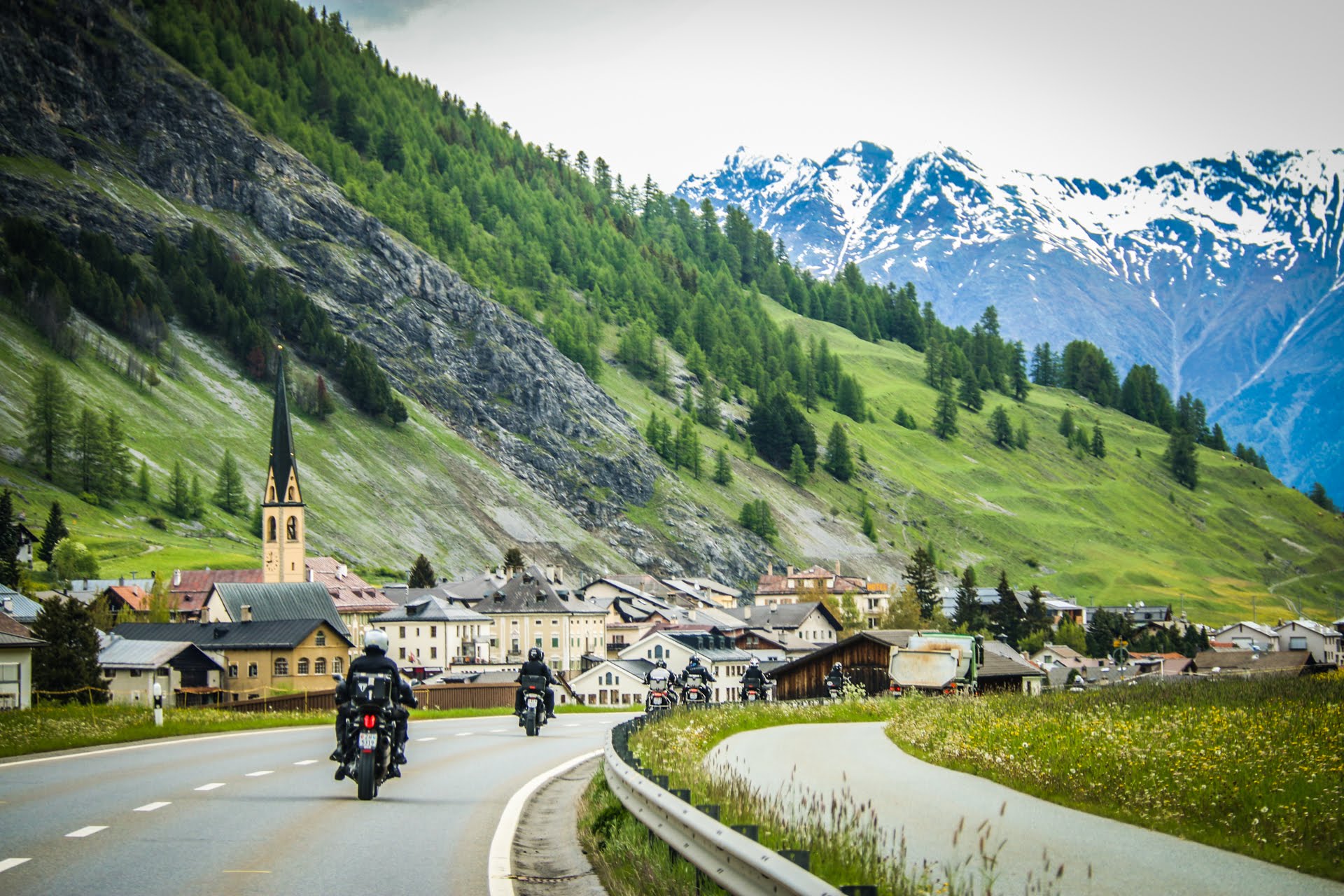
The next day it’s time to climb the San Bernardino Pass, one of the finest and most beautiful routes between Switzerland and Italy — plenty of curves, a string of villages to admire, and that Swiss sense of calm.
The San Bernardino Pass sits at 2,065 metres. Its 63 kilometres of road include a sequence of enormous tunnels. Among them are the mountains where the Rhine rises, considered Europe’s most important and symbolic river.
After a breathtaking ride, the group arrives in St. Moritz to round off the day in style. Located in Switzerland’s Engadine region, the town became famous in 1864, when a hotel owner bet his English guests that they would enjoy sunny days in St. Moritz even in winter. The guests confirmed that the town is indeed blessed with an unusual number of sunny days for a European winter, and St. Moritz gained visibility from there. Thousands of tourists, including members of royal families and celebrities, visit St. Moritz all year round.
Day 4
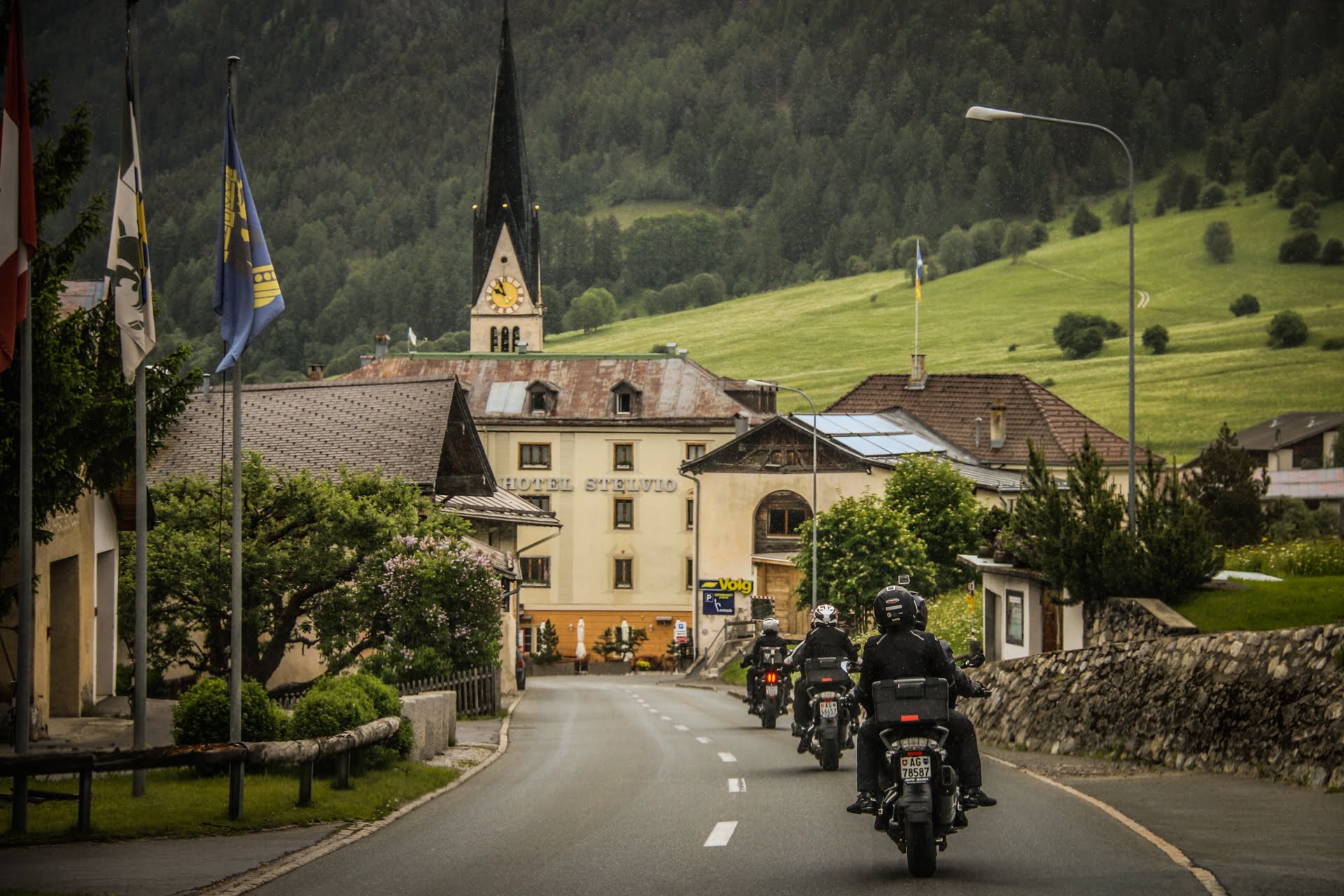
Day four brings some of the tour’s headline attractions. That’s right — the best is still to come. It’s time to visit the Swiss National Park and Stelvio National Park, now on the Italian side, as well as the Dolomites range.
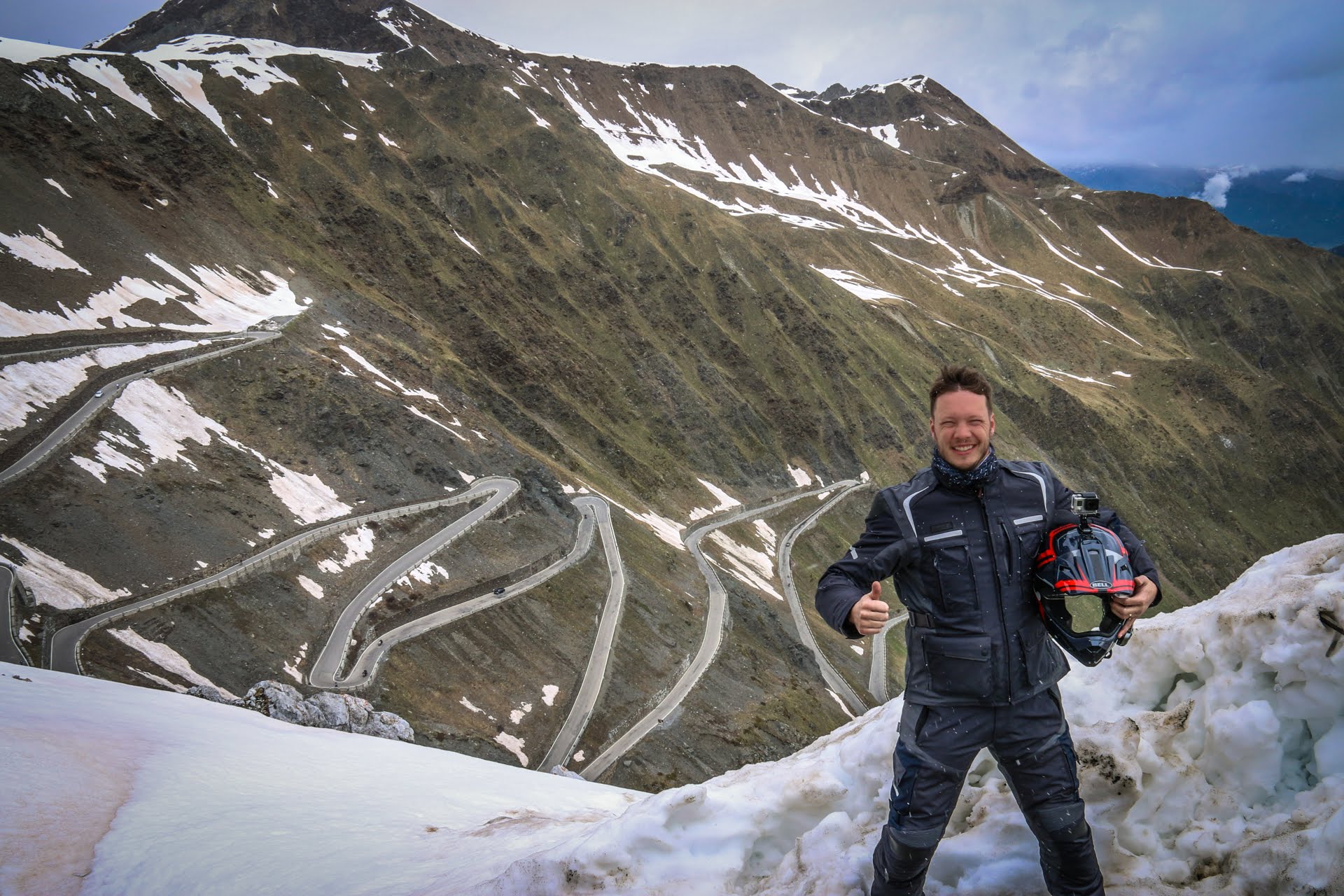
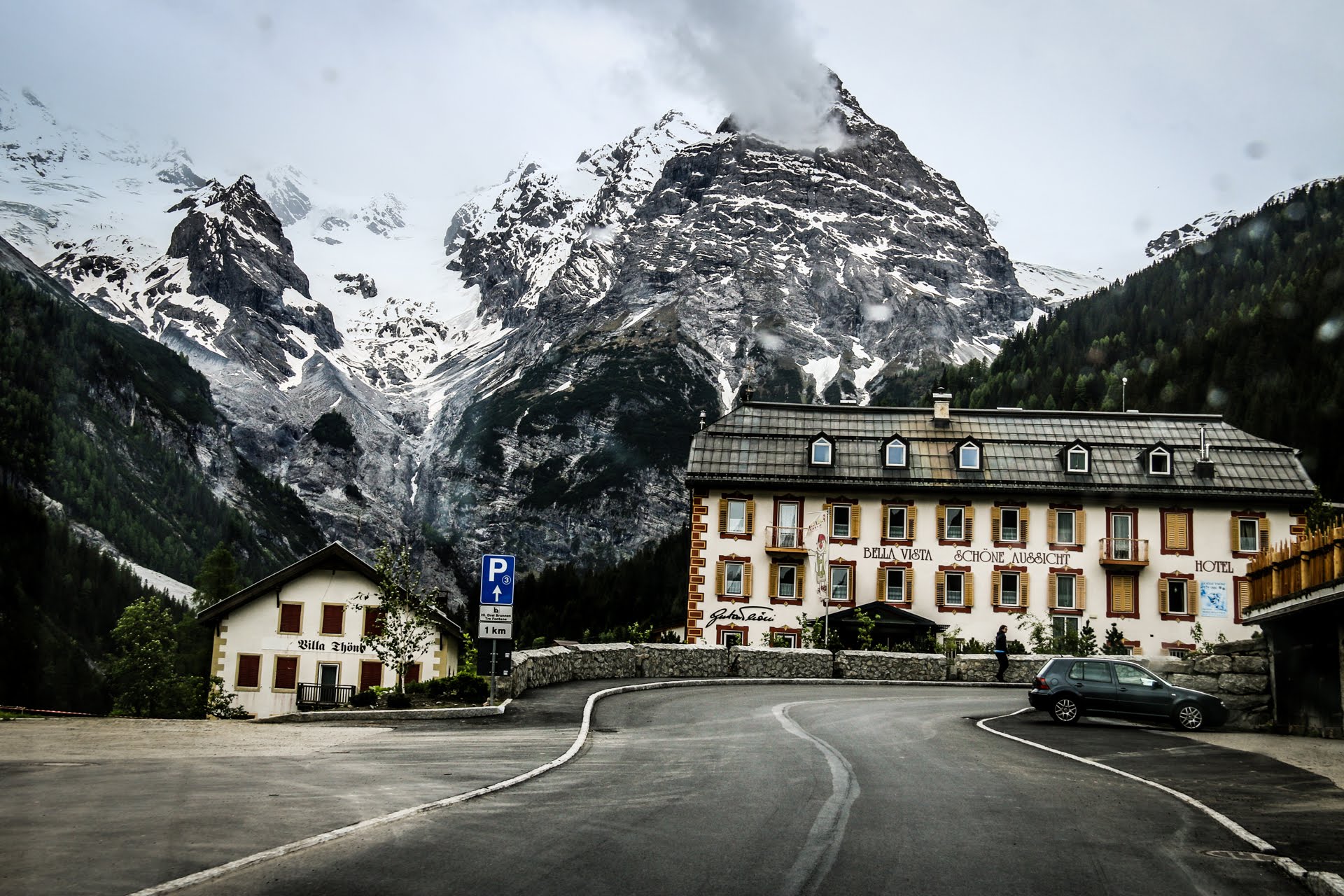
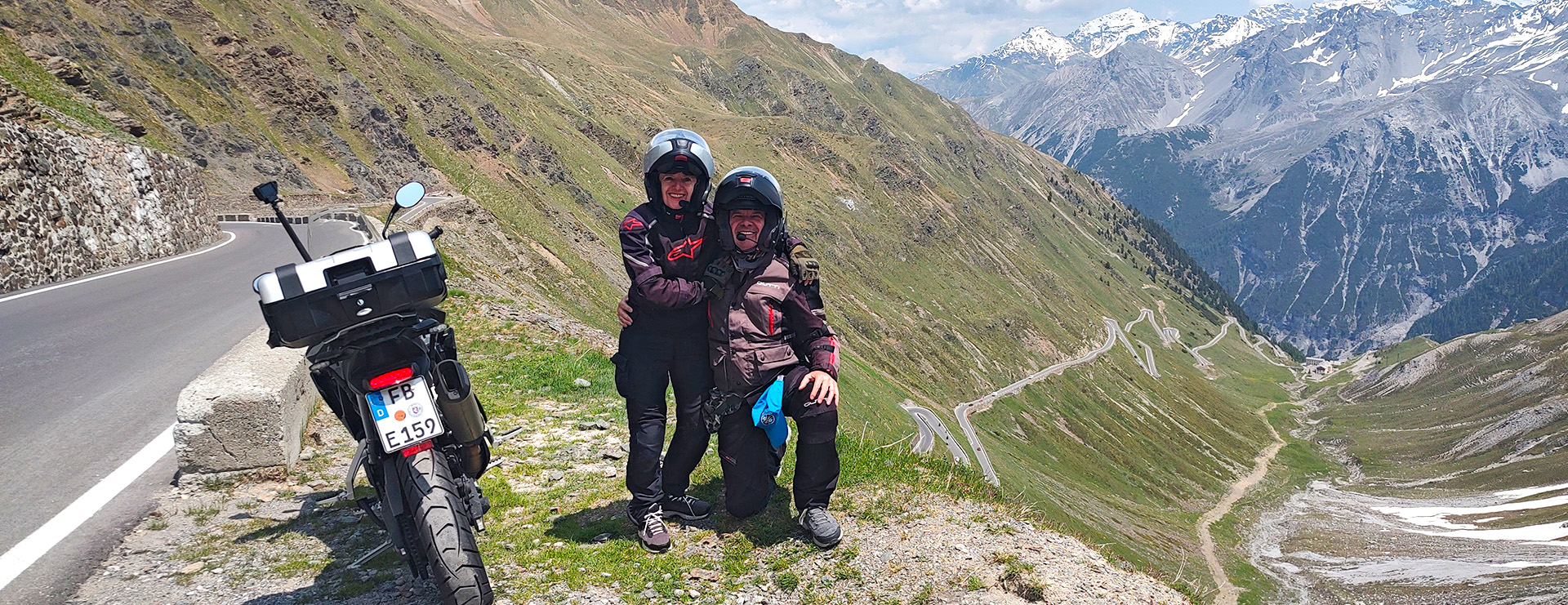
Stelvio National Park was founded in 1935 and encompasses the pass of the same name (Passo dello Stelvio in Italian), at 2,757 metres above sea level. The road links Valtellina and Merano to Bolzano, a city near the Swiss border, and it is so special to the Italians that an Alfa Romeo was named in its honour. Its 60 hairpins and extraordinary surrounding scenery both delight and challenge drivers and riders alike. Because of its position between the borders of Italy, Switzerland and Austria, the pass was strategically important for many years and saw combat during the First World War.
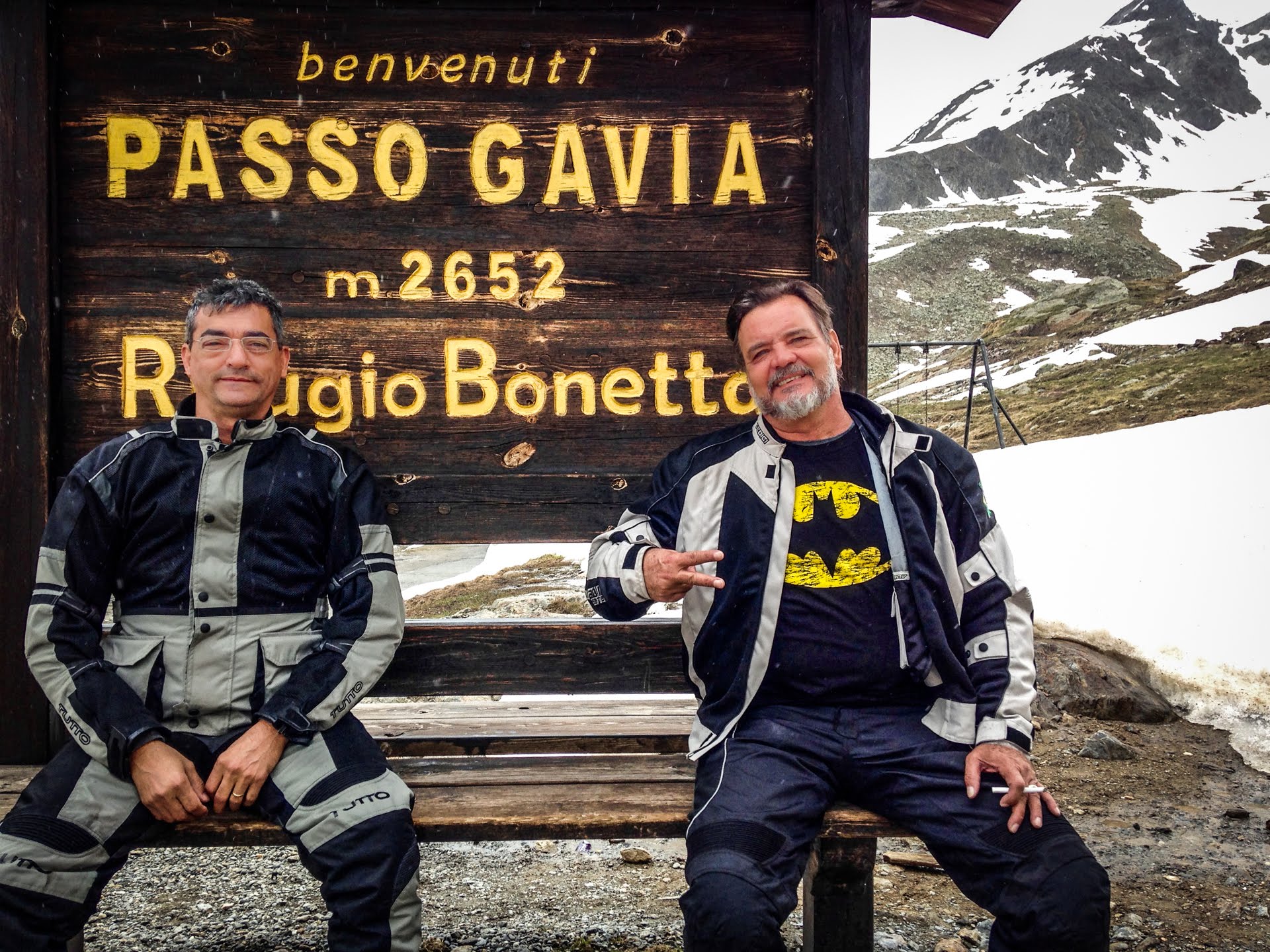
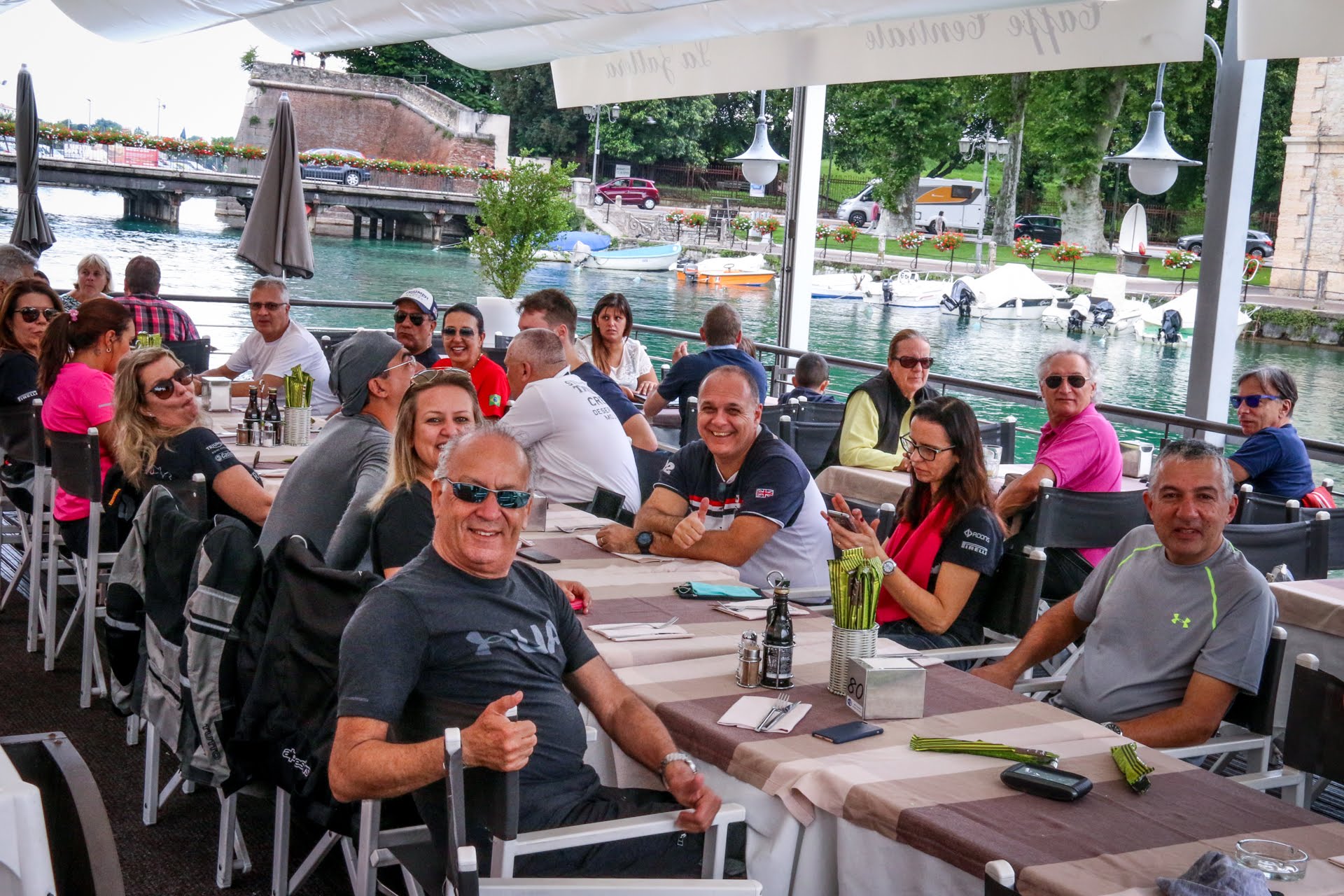
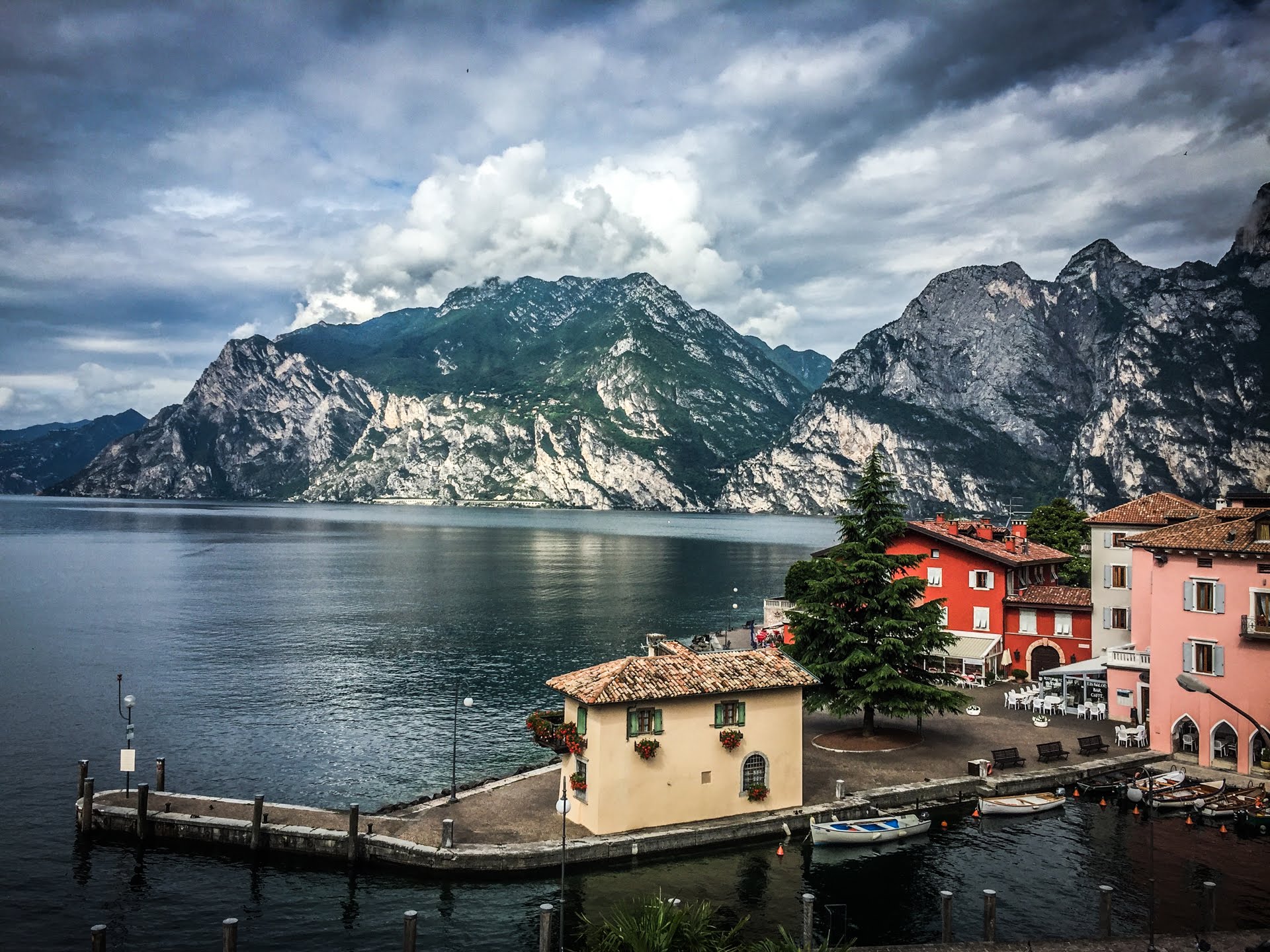
Also on the day’s schedule is the Gavia Pass, one of the riders’ favourites, and the group closes the day with the enchanting scenery of Lake Garda, one of Italy’s most famous destinations. Italy’s largest lake, Garda lies between the regions of Lombardy (province of Brescia), Veneto (province of Verona) and Trentino-Alto Adige (province of Trento). It covers around 370 km² at an altitude of 65 metres above sea level, and its deepest point reaches 346 metres.
Day 5
A day to rest or to ride. Lunch is in the medieval town of Sirmione, and the day’s main attraction is the Strada della Forra, one of the most beautiful roads in the world.
Opened in 1913, the road enchants with its winding, sometimes narrow course and gorgeous surrounding landscape. It’s a kind of gorge, with caves and hollows carved out by the action of water. At some points only one vehicle can pass at a time, with traffic controlled by lights. It’s a famous route among motorcyclists the world over. Back in the day, then British prime minister Winston Churchill called it the eighth wonder of the world.
Day 6
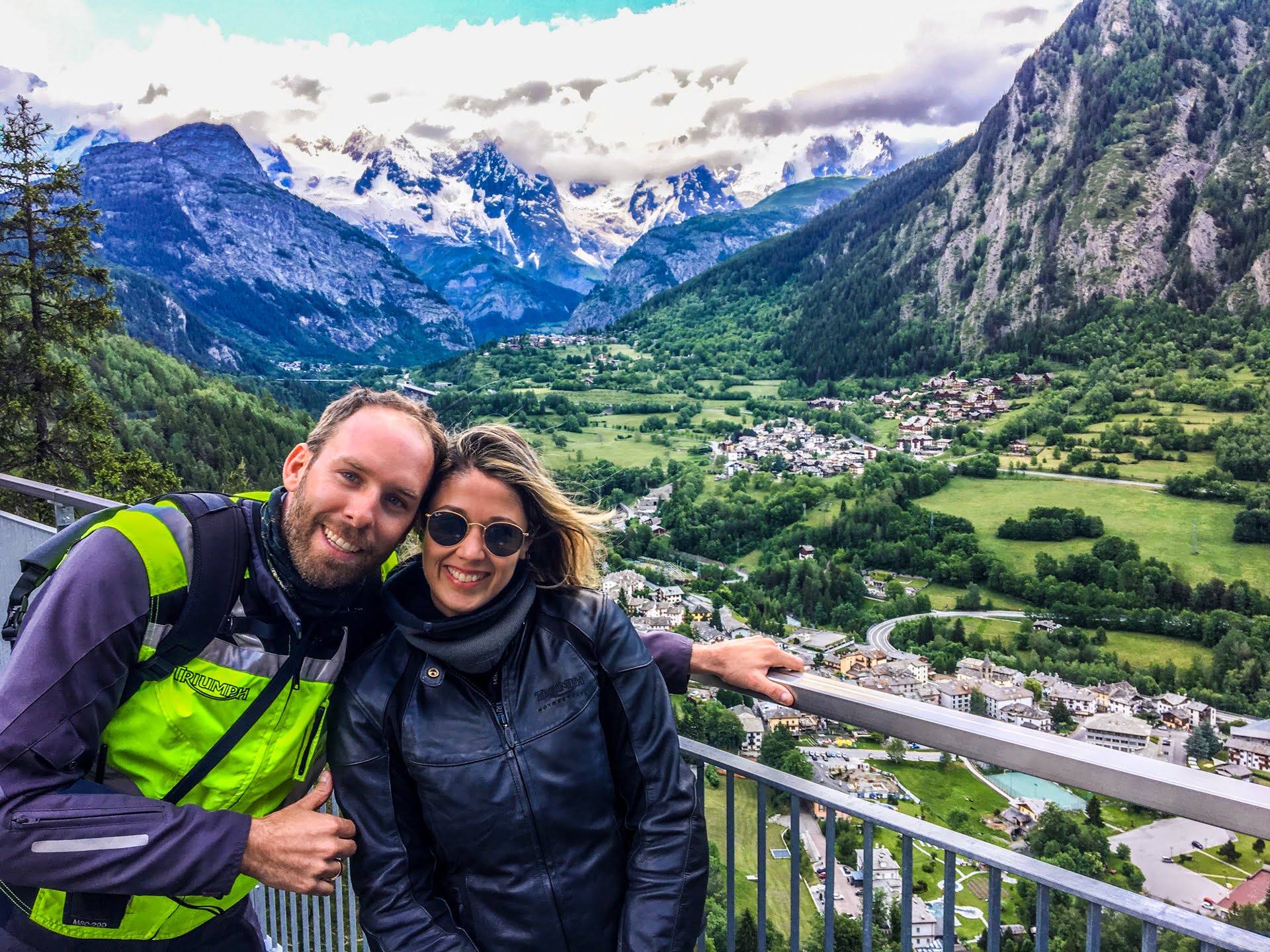
Time to leave Italy and head for France, crossing the Aosta Valley before reaching the 11 km tunnel that connects Italy to French soil. The overnight stop is in Chamonix Mont-Blanc, a town that looks like something out of a fairy tale. This utterly charming town sits at the foot of Mont Blanc, the highest mountain in Europe and the highest peak in the Alps.
Day 7
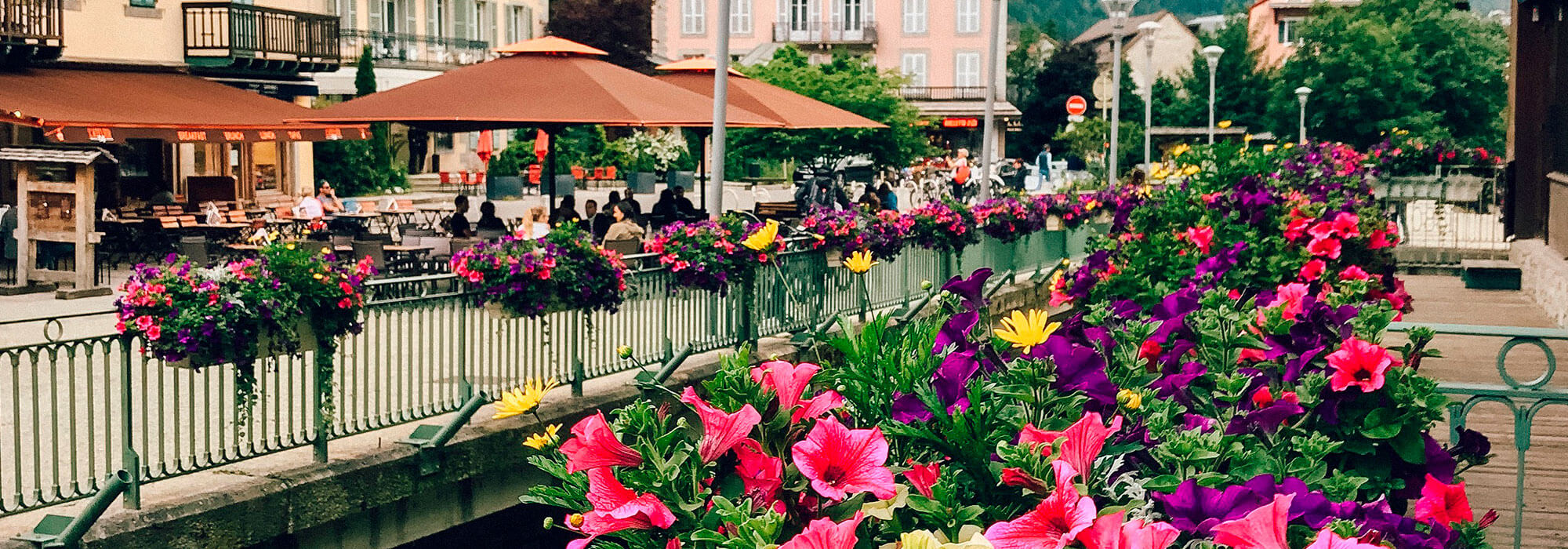
A free day to enjoy Chamonix. On one side of town, to the south, is Mont Blanc; on the other, to the north, the Aiguilles Rouges massif. Wherever you are, just look up and there they are — magnificent mountains covered in snow all year round. As if that weren’t enough, the region’s main river, the Arve, runs through town with its clear waters fed by Mont Blanc’s meltwater, completing the beautiful scene. Among the attractions: a cable-car ride for a panoramic view of the region, a stroll through the charming town centre, and dinner with good wines and the traditional, delicious raclette.
Day 8
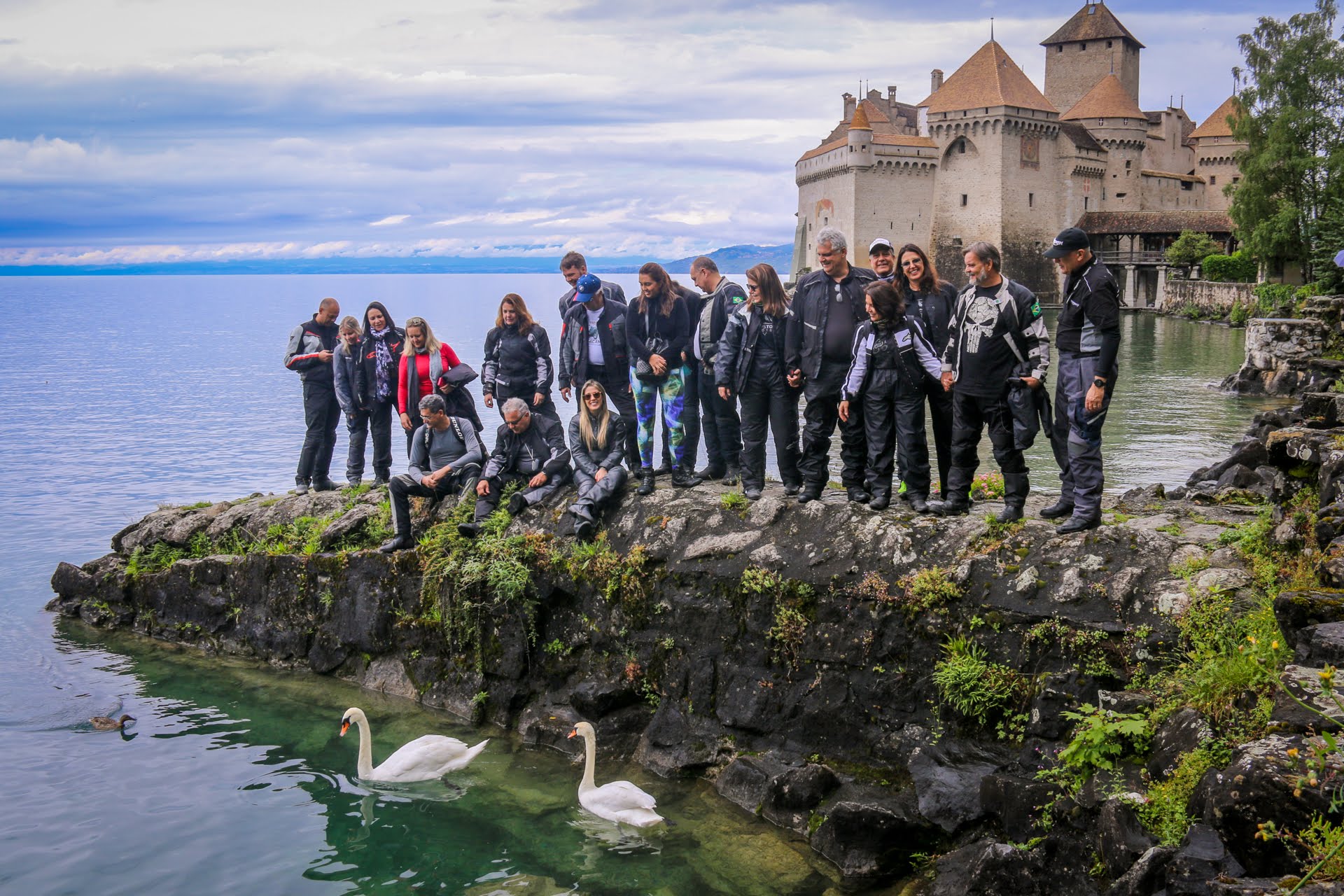
On the eighth day the group returns to Switzerland via beautiful mountain passes. Lunch is on Lake Geneva, aboard a historic boat cruising along the shoreline with views of Montreux and Vevey, two delightful Swiss towns. After the boat, it’s back on the bikes and on towards Interlaken, with a stop at a Gruyère cheese factory.
Day 9
The last day of the tour, and it leaves you wanting more. For the farewell, one more pass to cross — the Susten Pass — before returning to the city where it all began: Zurich.
The Susten Pass is one of the most beautiful passes in the Swiss Alps. Open since 1945, its 45 kilometres of road connect Innertkirchen to Wassen. As you’d expect, curves and scenic Alpine landscapes are part of the ride.
The Susten Pass road sits at 2,224 metres above sea level and is very popular with tourists, especially for the view of the Stein Glacier. A 300-metre tunnel crosses the pass, and the road is one of the last to reopen in summer, once all the snow has been cleared from the tarmac, around June. A farewell dinner brings this wonderful experience through the Swiss, French and Italian Alps to a close.
Day 10
Time to catch the transfer to the airport and head home with beautiful memories.